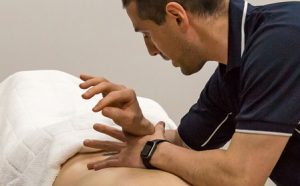
What Is Deep Tissue Massage? A Guide to Its Purpose, Benefits and Technique
TL;DR
Deep tissue massage is a targeted approach that uses slow, controlled pressure to work with deeper muscle and connective-tissue layers.
- Purpose: Targets the deeper layers of muscle and connective tissue to address persistent tightness, restricted movement and localised discomfort, particularly in the neck, shoulders, back and hips.
- Approach: Pressure is carefully adjusted to each individual’s tolerance and tissue response, not simply applied as firmly as possible. Therapist communication and client feedback guide every session.
- Techniques: Sustained gliding strokes (stripping), cross-fibre friction for restricted areas, and trigger point therapy using focused pressure on sensitive points within muscle tissue.
- What to expect: Mild tenderness for a day or two after treatment is common, especially following a first session. Sharp or overwhelming pain is not the goal, and pressure should always be adjusted the moment you ask.
What Is a Deep Tissue Massage? Meaning, Purpose and Focus
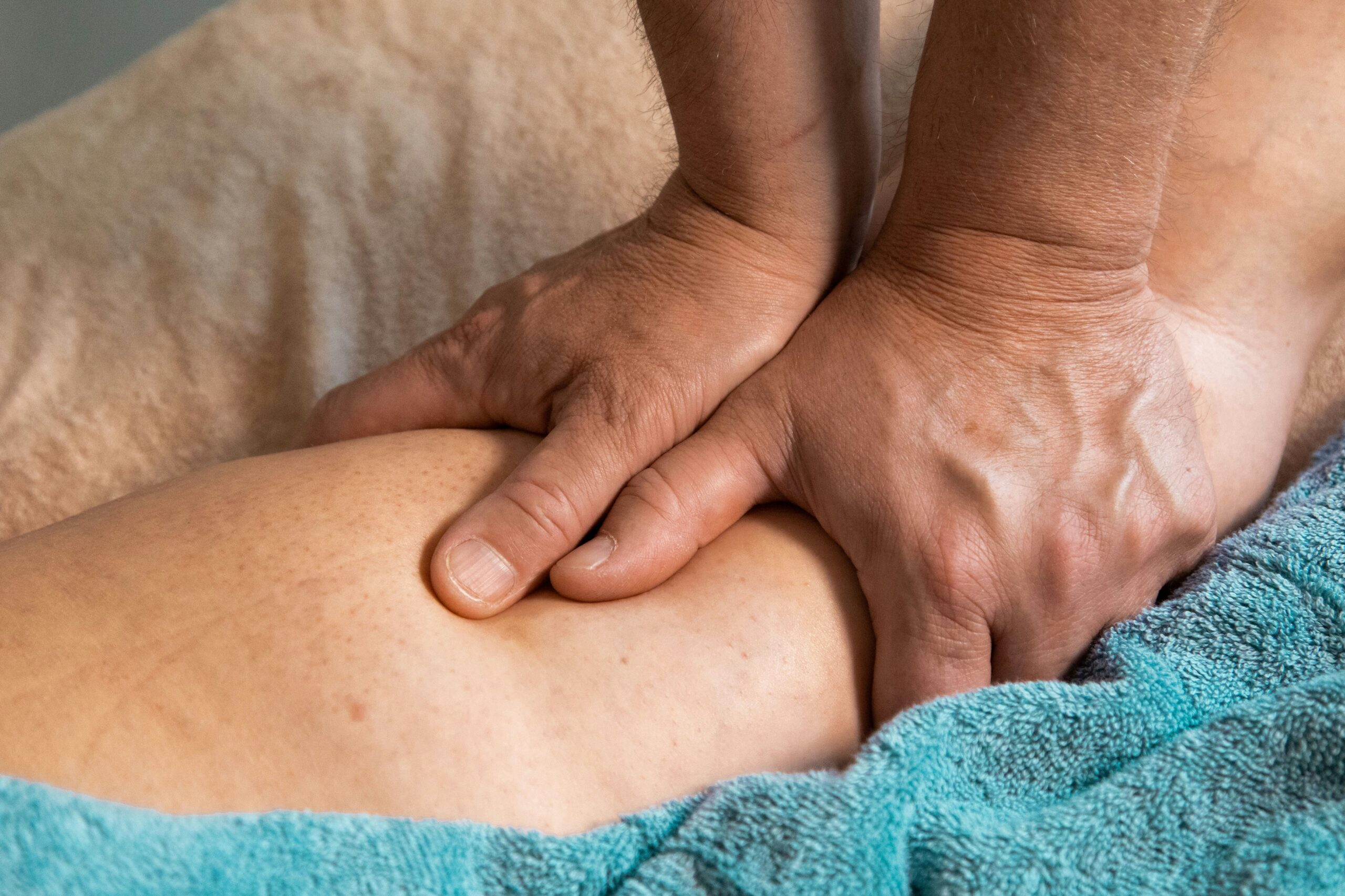
A deep tissue massage is a therapeutic technique that targets the deeper layers of muscle, connective tissue and any other supportive fascia around the tendons, ligaments and joints using slower strokes for sustained, purposeful pressure. The word ‘deep’, in this case, refers to the modality’s considered approach to working through these tissue layers, in addition to the scope of massage being applied to the entire body.
This modality is largely intended to help manage muscular tension, stiffness and movement-related discomfort, particularly in areas like the neck, shoulders, back, hips and legs. Relaxation can certainly be an outcome of this work, but the style of massage is generally more targeted and problem-specific, rather than a standard relaxation treatment.
| Massage Characteristic | Considered for |
|---|---|
| Slow, deliberate strokes | Ongoing muscular tightness |
| Pressure tailored to tolerance | Stiff or overworked muscles |
| Focus on deeper tissue layers | Localised areas of tension |
| Whole-body or targeted treatment | Neck, shoulder, back or leg discomfort |
| Ongoing therapist communication | Clients who prefer pressure adjustments |
| Assessment-led approach | Supporting movement and recovery goals |
How Does Deep Tissue Massage Work on the Body?
Pressure, movement and touch can influence how muscles feel and how comfortably a person moves throughout their day, though individual responses will always vary. A trained massage therapist assesses tissue quality, movement tolerance and client feedback before making any decisions about adapting their technique.
Deep tissue massage can support:
- Reduced perception of muscular tension: Slow, sustained pressure and targeted movement can help an area feel less guarded or tight over time, lengthening muscle fibres and collagen build-up around tissue repair in the area.
- Improved short-term movement comfort: Working around stiff soft tissue can make everyday movement feel noticeably easier for some people, driving blood flow and raised tissue temperature for more comfortable range of motion, increased rate of recovery and nervous system signals of relaxation.
- Relaxation and stress relief: Focused touch delivered in a calm clinical setting can support nervous-system downregulation.
- Greater body awareness: Clients may better identify postural habits, training load or specific movements linked with recurring tension.
Deep Tissue Massage Techniques
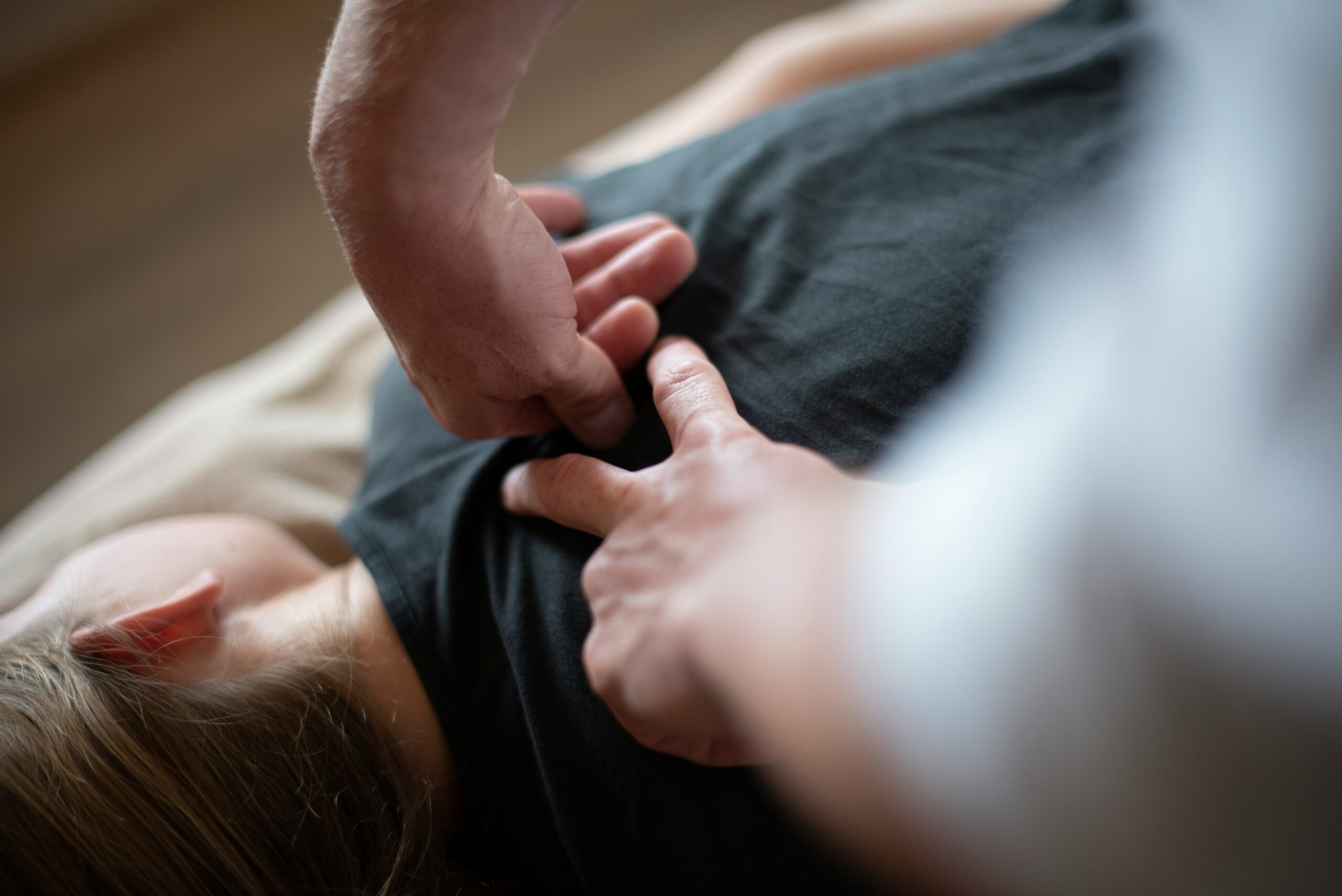
Deep tissue technique involves a collection of adaptable pressure and strokes, with a fundamental aim to relieve and reduce muscle tension, ache or tone by applying this pressure in dynamic ways. Trained therapists typically begin gently, observe how the body responds, and progressively work within the client’s comfort level. Hands, thumbs, knuckles, forearms and elbows may all be used depending on the target area and the intended technique.
Body Mechanics and Leverage
Here, depending on the angle of your body position and direction of application, therapists rely on a stable stance, correct table height, body weight and controlled leaning to apply pressure in a safe and efficient way. Forearms or elbows can distribute force across a broader surface than small finger joints, which allows for steadier contact in larger muscle groups like the back or thighs.
Sound body mechanics let the therapist regulate pressure gradually and sustain it over longer treatment periods, adjusting their application dynamically to:
- Pinpoint pressure more accurately on certain angles in the fascia
- Apply and emphasise greater pressure in certain areas
Stripping: Slow Strokes Along the Muscle
Stripping involves a slow, gliding stroke that is applied along the direction of a muscle or muscle group. Sustained contact helps the therapist assess areas that feel sensitive, dense or resistant, while giving the client adequate time to respond to pressure changes. The sensations can range from soothing through to quite intense, depending on the area being treated and individual sensitivity.
Friction: Focused Cross-Fibre Work
Friction involves smaller, more focused movements that are applied across or around muscle fibres and connective tissue. Therapists often apply it where movement feels restricted or where a client reports a concentrated area of discomfort. The sensation is more specific and less flowing than longer strokes, so clear communication and pressure adjustment remain essential throughout the process.
Trigger Point Therapy: Sustained Pressure for Localised Tension
Trigger point therapy applies carefully sustained pressure on a sensitive, localised point within the muscle tissue. The therapist monitors the client’s response closely and may pair pressure with breathing cues or small guided movements. Some clients experience a noticeable change in local tension or comfort following this work, though outcomes do vary from person to person.
Advantages of Deep Tissue Massage: Benefits and Considerations
The benefits of deep tissue massage depend on the individual, their symptoms, health history, activity levels and their specific treatment goals. It can be a useful modality for people experiencing persistent muscular tightness, training-related soreness or discomfort from repetitive movement patterns, generally speaking having an effect on the following:
| Massage Effect | Day-to-Day Benefit |
|---|---|
| Muscles loosen and feel less tense | More comfortable ROM during work, exercise or rest |
| Short-term movement may feel easier | Support for stretching, walking or training routines |
| Relaxation response | A calmer, less stressed feeling after treatment |
| Consciousness of sensitive areas | Better awareness and conscious handling of posture, workload or recovery habits |
A safety note: deep tissue massage isn’t appropriate for every situation or every client. A qualified therapist should screen for relevant medical conditions, recent injury, skin concerns, circulation issues or medications that could affect treatment suitability. You can read more about the broader benefits of remedial massage for added context on this topic.
What to Expect at Your First Deep Tissue Massage Appointment

A first appointment should feel collaborative and carefully adapted to your goals, medical history and personal comfort level.
1. Initial Consultation and Assessment
The session commonly begins with a discussion of your main concerns, relevant health history, daily activities, previous injuries and preferred pressure level. The therapist may observe your movement or gently assess the relevant area before deciding which techniques to apply. Informed consent, privacy and your ability to ask questions or decline any part of treatment are all considered standard practice.
2. Gradual Treatment and Ongoing Feedback
Treatment often starts with lighter contact to introduce touch and prepare the area before any deeper techniques are considered. Only the area being treated is uncovered at any given time, with draping maintained throughout for comfort and privacy. Pressure should remain communicative and adjustable based on your feedback. Deep tissue work can feel intense at times, but it should never feel sharp, alarming or beyond your tolerance.
3. After the Session: Normal Responses and When to Seek Advice
Mild tenderness or fatigue for a day or two is common, particularly after a first session or focused work on a particularly sensitive area. Gentle movement and adequate hydration are both sensible follow-ups in the hours after treatment. Severe, worsening or persistent pain, unusual bruising, numbness or other concerning symptoms warrant a conversation with an appropriate health professional.
FAQs
Does a deep tissue massage get knots out?
‘Knots’ is an everyday term for areas of muscle tightness or sensitivity that feel localised. Massage may help an area feel more comfortable or less tense, but it doesn't literally remove a knot from the tissue. Results will vary between people and between individual sessions.
What is the difference between a massage and deep tissue massage?
Massage is a broad category that covers many different styles and approaches. Deep tissue is one specific approach within it, typically using slower, more targeted pressure than a relaxation-focused massage would involve.
What happens to your body when you get a deep tissue massage?
You may experience pressure, warmth, temporary sensitivity and an overall sense of relaxation during the session. Some people notice short-term improvements in movement comfort afterwards, while others may feel tender for a day or so.
How long should you rest after a deep tissue massage?
Complete rest isn't always necessary after a session, and gentle activity suits most people well. Strenuous exercise is best adjusted based on how your body responds and according to your therapist's guidance.
What should you expect for your first deep tissue massage?
The usual progression involves a consultation, tailored treatment, regular pressure check-ins and possible mild post-treatment soreness. Comfort, consent and open communication between you and your therapist are central to the experience.
How rough can a deep tissue massage be?
Treatment should be firm only to a tolerable and purposeful level that aligns with your comfort. Excessive pain is not a sign of a better treatment, and pressure should always be adjusted the moment you ask.
Posted On 17/11/26