Myotherapy vs Remedial Massage: Differences and Treatments
Myotherapy and remedial massage are both hands-on soft tissue therapies, but they differ in depth. Remedial massage assesses and works on muscular tension and restricted movement using massage-based techniques. Myotherapy builds on those skills with more detailed clinical assessment and a wider range of techniques, such as dry needling, cupping and joint mobilisation, alongside exercise advice.
TL;DR
- Scope: remedial massage focuses on soft tissue; myotherapy looks more broadly at musculoskeletal pain and movement.
- Assessment: both assess before treating, but a myotherapy assessment is more in-depth and clinically focused.
- Techniques: myotherapists use massage plus dry needling, cupping, joint mobilisation and neurodynamic techniques.
- Training: the Diploma of Remedial Massage (HLT52021) vs the Advanced Diploma of Myotherapy (22656VIC).
- Best fit, not better: you can book either treatment, or study either qualification, at ACFB in Mitcham.
Myotherapy and Remedial Massage: What You’re Really Comparing
Myotherapy and remedial massage therapies are easy to confuse, owing to the fact that they’re both treatments focused on physical therapy, with a goal to restore the body’s function and movement to the best of its capacity. Both are hands-on, start with an assessment, and both commonly use techniques such as trigger point therapy and myofascial release. The primary difference between the two is in the depth of the assessment, and how many tools the practitioner draws on to achieve their diagnosis.
As an important note, neither treatment is better; each suits different needs, whether you’re booking a treatment or choosing a career pathway.
Myotherapy vs Remedial Massage at a Glance
| Remedial Massage | Myotherapy | |
|---|---|---|
| Primary focus | Muscular tension and soft tissue restriction | Musculoskeletal pain and movement |
| Assessment | Range of motion, functional tests, postural analysis | In-depth clinical assessment and treatment planning |
| Typical techniques | Trigger point therapy, deep tissue work, myofascial release, stretching | Massage plus dry needling, vacuum cupping, joint mobilisation, neurodynamic techniques |
| Common reasons people book | General tightness from work, training or posture | Ongoing or recurring pain that needs a closer look |
| One-hour session at ACFB’s student clinic | $35 | $40 |
| Qualification | Diploma of Remedial Massage (HLT52021) | Advanced Diploma of Myotherapy (22656VIC) |
| Full-time study at ACFB | 13 months on-campus Up to 21 months FLEXI |
8 to 9 months, plus clinic time (130 hours made of supervised clinic time, logbook and case study work) |
In short, myotherapy adds depth of assessment and range of technique on top of the massage skills that both disciplines share, not to mention the practical experience that Myotherapy students are required to undergo.
What Does a Remedial Massage Therapist Do?

A remedial massage therapist assesses where your muscles are tight or limited in its range of motion, then uses targeted massage techniques on those areas to restore their natural capacity for movement. In comparison to more generalised types of massage, remedial is a little more informed, with each session involving an assessment that guides the therapist on specific techniques that should be applied, as opposed to a set-and-forget routine that has an onus on relaxation, as opposed to recovery or rehabilitation.
This assessment often includes range of motion checks, functional tests and postural analysis to benchmark what your existing capability looks like. From there, therapists apply disciplines in soft tissue relief like trigger point therapy (pressure on tight knots within a muscle), deep tissue massage, myofascial release (working on the connective tissue around muscles) and stretching to achieve a patient’s wishes for physical movement.
What Does a Myotherapist Do?
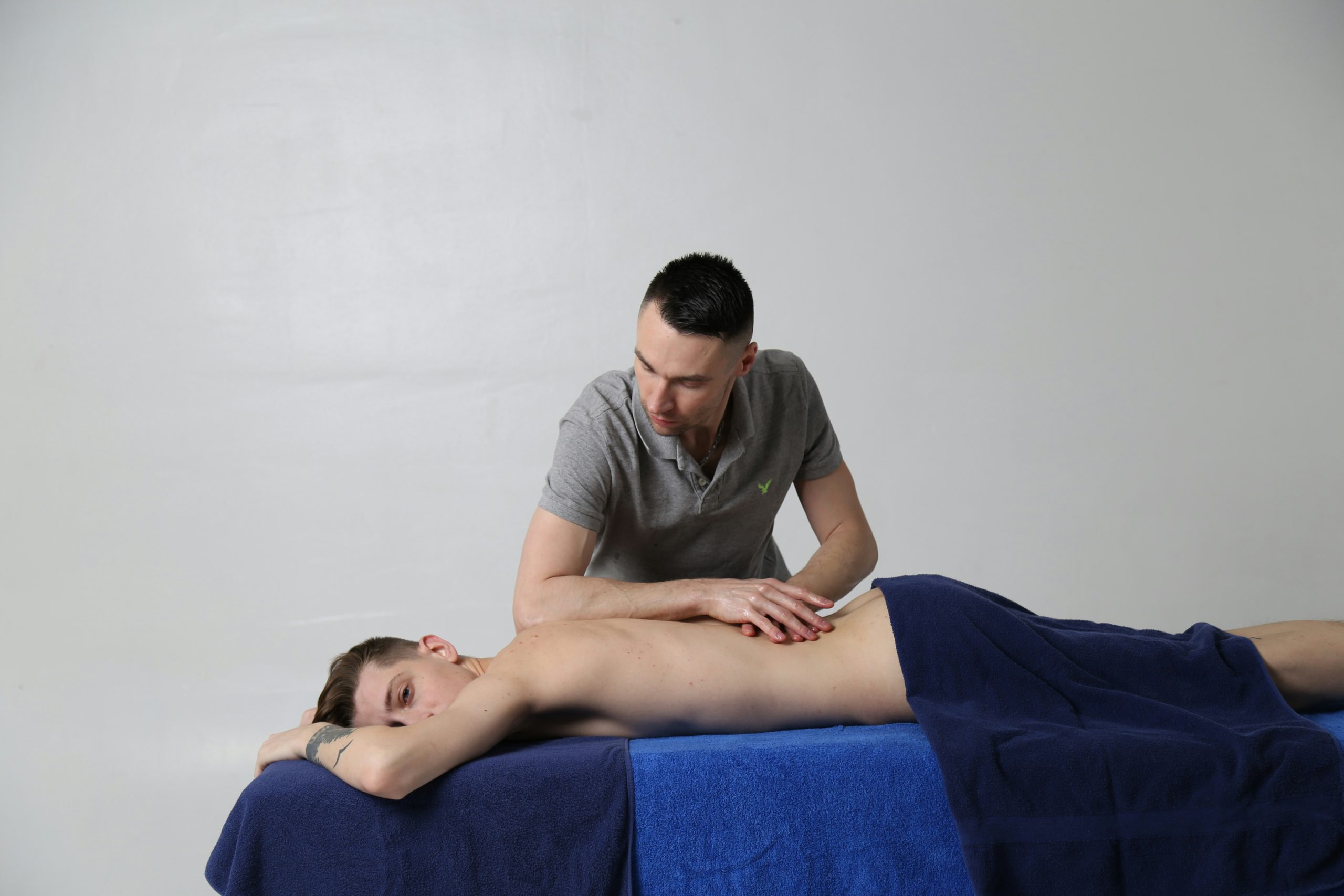
A myotherapist, by comparison assesses how your muscles, joints and nerves holistically work together, then builds a treatment plan that combines hands-on therapy, advanced techniques and exercise. The level of assessment deployed to understand why pain or restricted movement is happening is much more clinical in nature, and isn’t limited to just where it occurs in the body.
Myotherapy is considered as a physical therapy for soft tissue pain and restricted joint movement, grounded in anatomy, physiology and biomechanics. Massage, including remedial techniques, is part of a myotherapist’s toolkit.
At ACFB, myotherapy students learn myofascial dry needling, myofascial vacuum cupping, joint mobilisation, muscle energy technique, neurodynamic techniques (gentle movements that assess and mobilise nerves) and advanced trigger point therapy. Training also covers clinical assessment, treatment planning, pain science and corrective exercise programs.
Is Myotherapy the Same as Remedial Massage?
No. Myotherapy includes remedial massage techniques, but it adds broader clinical assessment and a wider range of treatment methods.
Scope
Remedial massage concentrates on muscular tension and soft tissue restriction. Myotherapy looks at the wider musculoskeletal picture, including how joints, muscles and nerves contribute to pain and movement.
Assessment
Both assess before treating. A myotherapy assessment typically goes further, using clinical reasoning to plan treatment over a number of sessions.
Techniques
A remedial massage therapist works mainly through massage and soft tissue applications. A myotherapist can also use dry needling, cupping, joint mobilisation and neurodynamic techniques, and may set exercises to continue between sessions.
Training
Remedial massage therapists typically hold a Diploma of Remedial Massage. Myotherapy requires an Advanced Diploma of Myotherapy in order to practice, by comparison, or a relevant Bachelor’s degree in a given field (eg. Health Sciences).
If you’re also weighing up a physio, our guide to myotherapy vs physiotherapy covers how those two professions differ.
Myotherapy or Remedial Massage: Which Should You Book?
Remedial massage is generally suited for more general muscular tightness and lifestyle concerns that are more benign in nature, while myotherapy is a much more appropriate solution for those who want a deeper assessment and a broader set of techniques that can address more complex, difficult to identify issues.
Book remedial massage if you:
- feel tight or stiff from work, training or posture
- want targeted, hands-on massage work
- are looking for regular maintenance sessions
Book myotherapy if you:
- have pain that keeps coming back and want it assessed in more depth
- are open to techniques beyond massage, such as dry needling or cupping
- want exercises to support your progress between sessions
You can try either remedial or myotherapy treatment at our student clinic in Mitcham. One-hour sessions cost $35 for remedial and $40 for myotherapy, and every appointment is supervised by a qualified ACFB Trainer and Assessor.
Remedial Massage or Myotherapy: Which Should You Study?
Study remedial massage to build a hands-on massage career, and myotherapy to extend existing massage skills into clinical assessment and advanced techniques.
Study remedial massage if you:
- want a practical, client-facing career in massage
- are starting out and want a strong foundation in assessment and soft tissue work
Study myotherapy if you:
- already have massage skills and want to deepen your clinical reasoning
- are interested in pain science, corrective exercise and techniques such as dry needling
Myotherapy builds on and deepens how massage is applied to treat client concerns, so many practitioners treat both disciplines as steps on one pathway.
At ACFB, both courses include hands-on experience in our student clinic, working with real clients under supervision. Explore the Diploma of Remedial Massage or the Advanced Diploma of Myotherapy, which runs for 8 to 9 months full time, plus clinic time.
Frequently Asked Questions
Is Myotherapy More Expensive Than Remedial Massage?
At ACFB's student clinic, it costs slightly more: a one-hour myotherapy session is $40 and a one-hour remedial massage is $35.
Do Myotherapists Use Dry Needling?
Many do. Myofascial dry needling is one of the techniques taught in ACFB's Advanced Diploma of Myotherapy, alongside cupping and joint mobilisation.
Can a Remedial Massage Therapist Become a Myotherapist?
Yes. Myotherapy builds on massage skills, so it's a natural next step for remedial massage therapists who want to broaden their clinical scope.
Do I Need a Referral for Myotherapy or Remedial Massage?
No. You can book either directly, and the Better Health Channel confirms you don't need a doctor's referral to see a myotherapist.
Posted On 17/11/26